
KEY Choices provides a science-rich, choice-based drug prevention program that empowers junior high & high school students to make healthier, anti-drug choices.
We are an educator-run organization with a science-rich, choice-based curriculum. We developed our curriculum to address the needs and circumstances of Oklahoma students in grades 6 - 12. We have always covered the now-mandated items in Rain’s Law, teaching the dangers of fentanyl and opioid poisoning, the number one cause of overdose death. In our curriculum, we have included how opioids, marijuana, nicotine, and alcohol affect the adolescent brain, as well as the risks of vaping. All of this takes place in five 50 to 55-minute class periods.
The KEY Choices curriculum includes how the brain responds to substance abuse, including its physiological, mental, emotional, and social effects. We also give students tools to avoid these risky behaviors, such as exploring how to make healthy choices to trigger the release of endorphins.
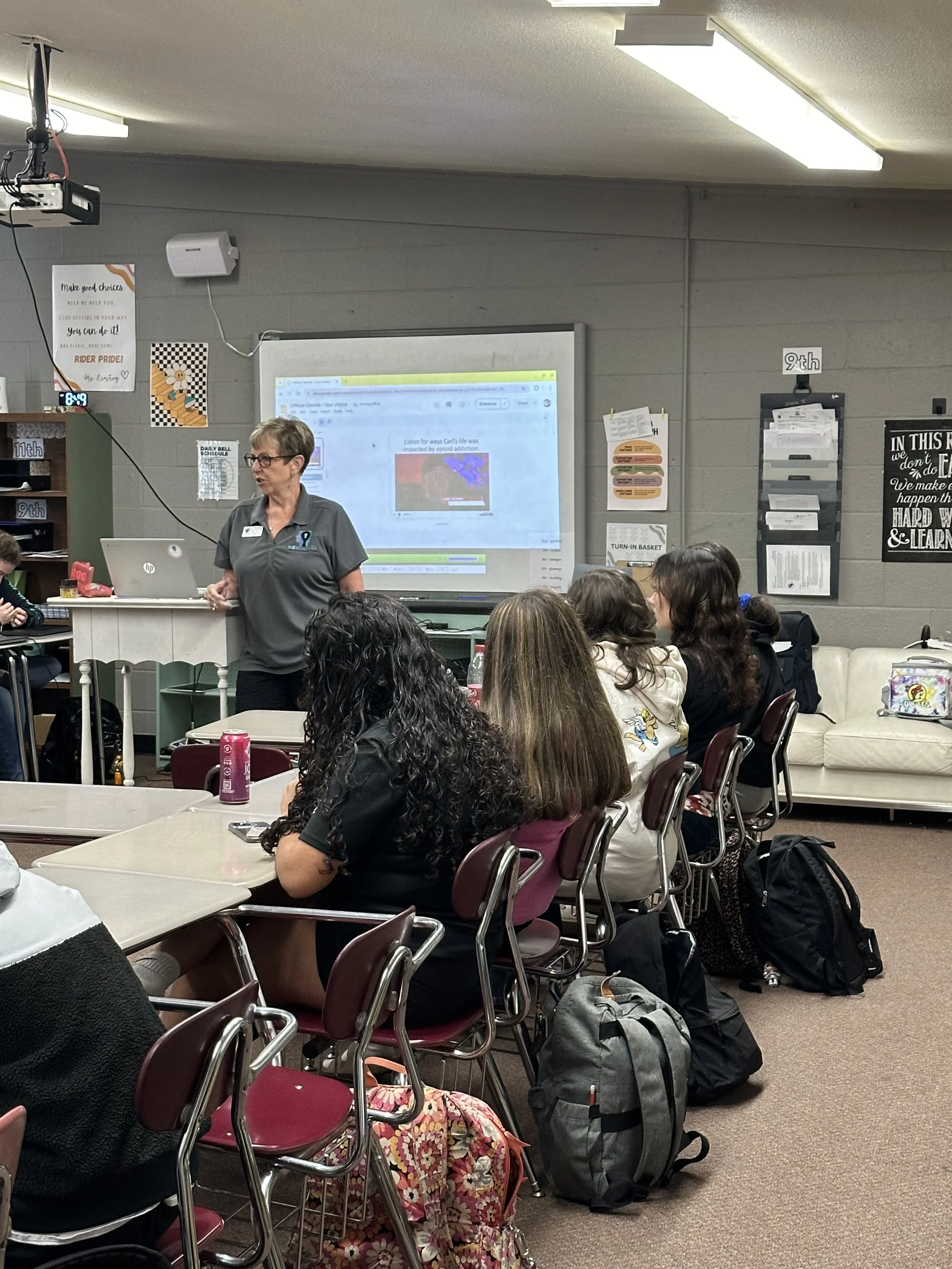
Our Oklahoma-certified teachers have decades of classroom experience and have been explicitly trained to guide students through this vital information. Because donors fund KEY Choices, we provide the program and teach it at no cost to schools.
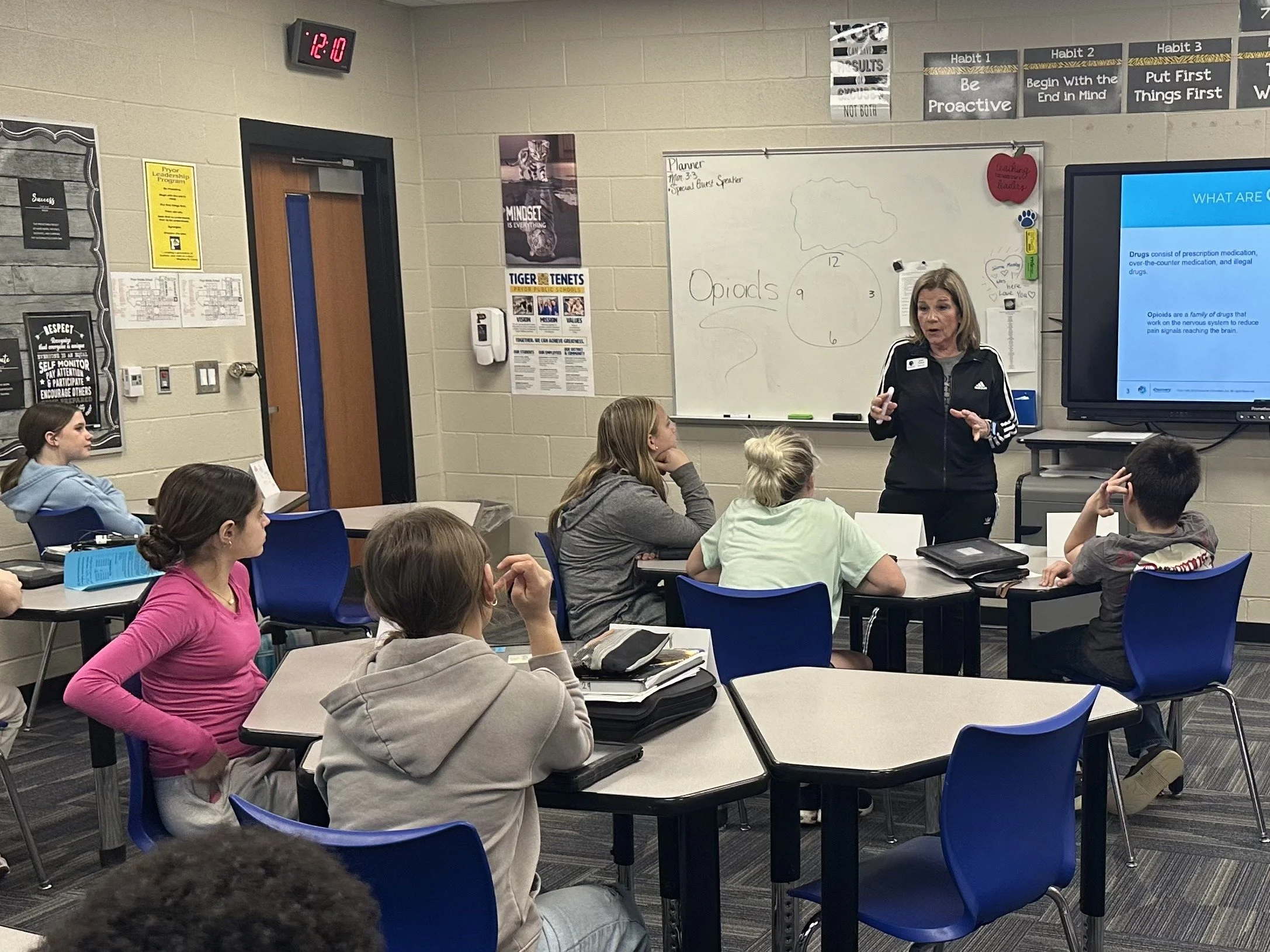
Each day covers the following:
Day 1 — Opioids and Addiction
What a drug is, and what makes a drug an opioid.
The difference between using medication as prescribed and misusing it.
Fentanyl and how quickly a small amount can be fatal, where fentanyl is found, recognizing the signs of an opioid overdose, and knowing the correct emergency response.
How addiction starts in the brain, and how opioids affect the brain and body–long and short-term effects.
Understanding tolerance, dependence, and withdrawal
What are neurotransmitters? Introducing
endorphins and dopamine.
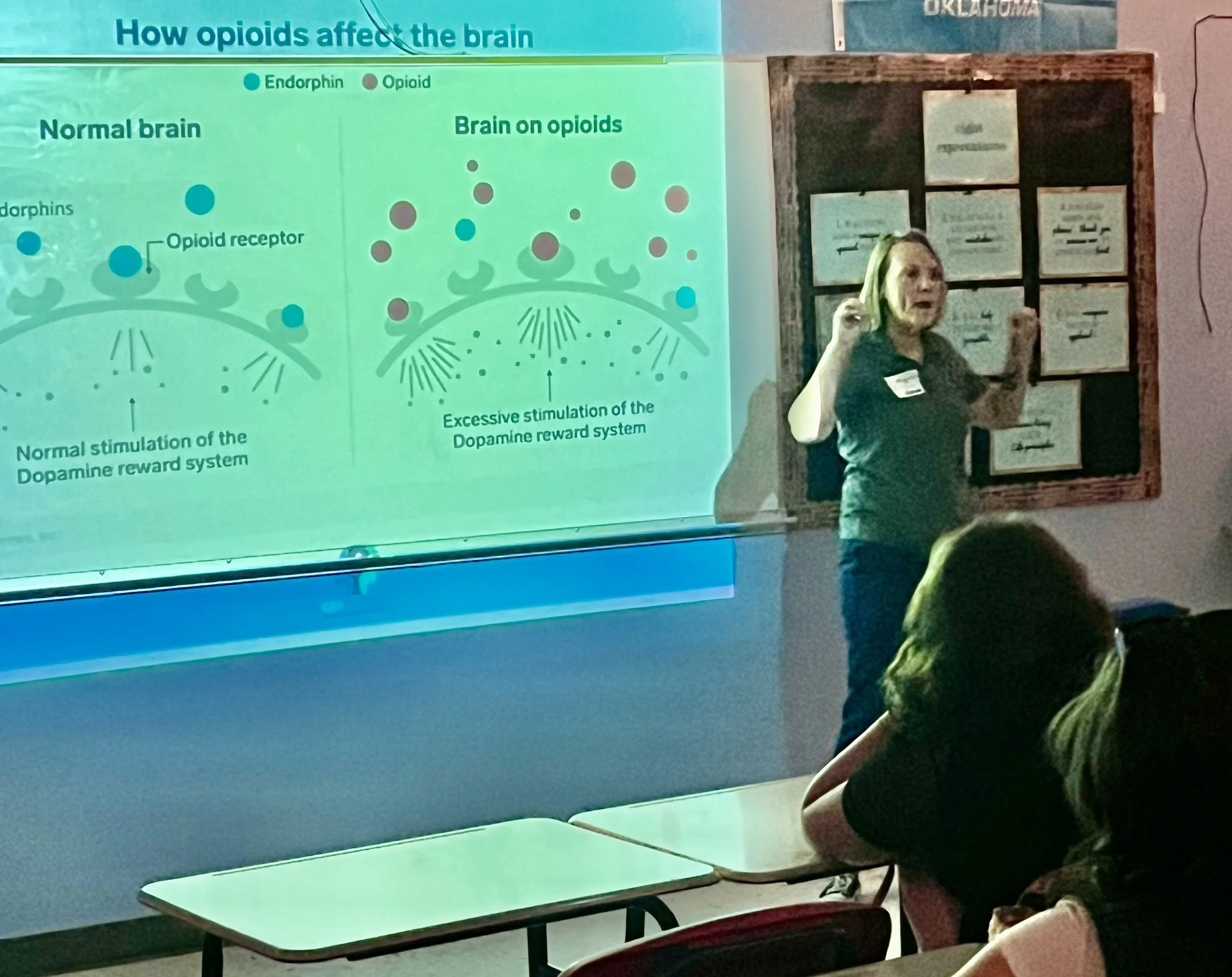
Day 2 — Marijuana and the Teen Brain
Two of marijuana’s chemicals (THC and CBD) affect the brain differently.
Explain why “natural” does not automatically mean “safe.”
The effects of THC on the brain and in the body
Why does marijuana affect a developing teen brain more than an adult brain?
Marijuana is addictive, and the dependence and tolerance lead to other drugs.
Marijuana affects cognitive and physical performance
Marijuana affects mental health, especially if there is a personal or family history
Edible marijuana and the digestive system
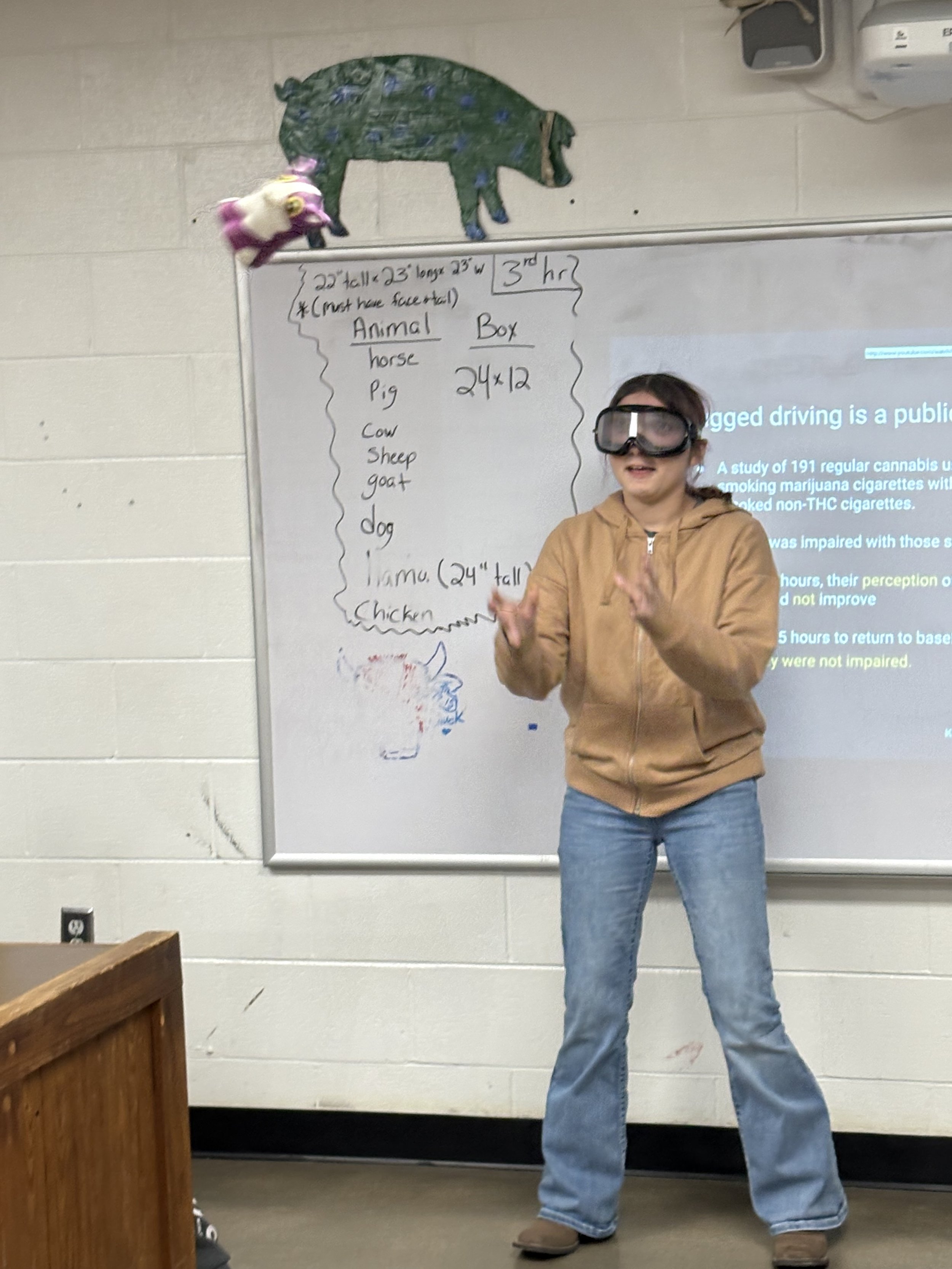
Discuss the driving test published by JAMA Psychiatry and how long marijuana impairs driving.
Discuss why marijuana use is discouraged before surgery.
Day 3 — Vapes, E-Cigarettes, and the History Behind Them
Identify the parts of a vape and what chemicals and metals it can deliver.
Explain why vapes are not a “safe” alternative to smoking for adolescents. Discuss the addictive quality of nicotine and the amount of nicotine in vape cartridges.
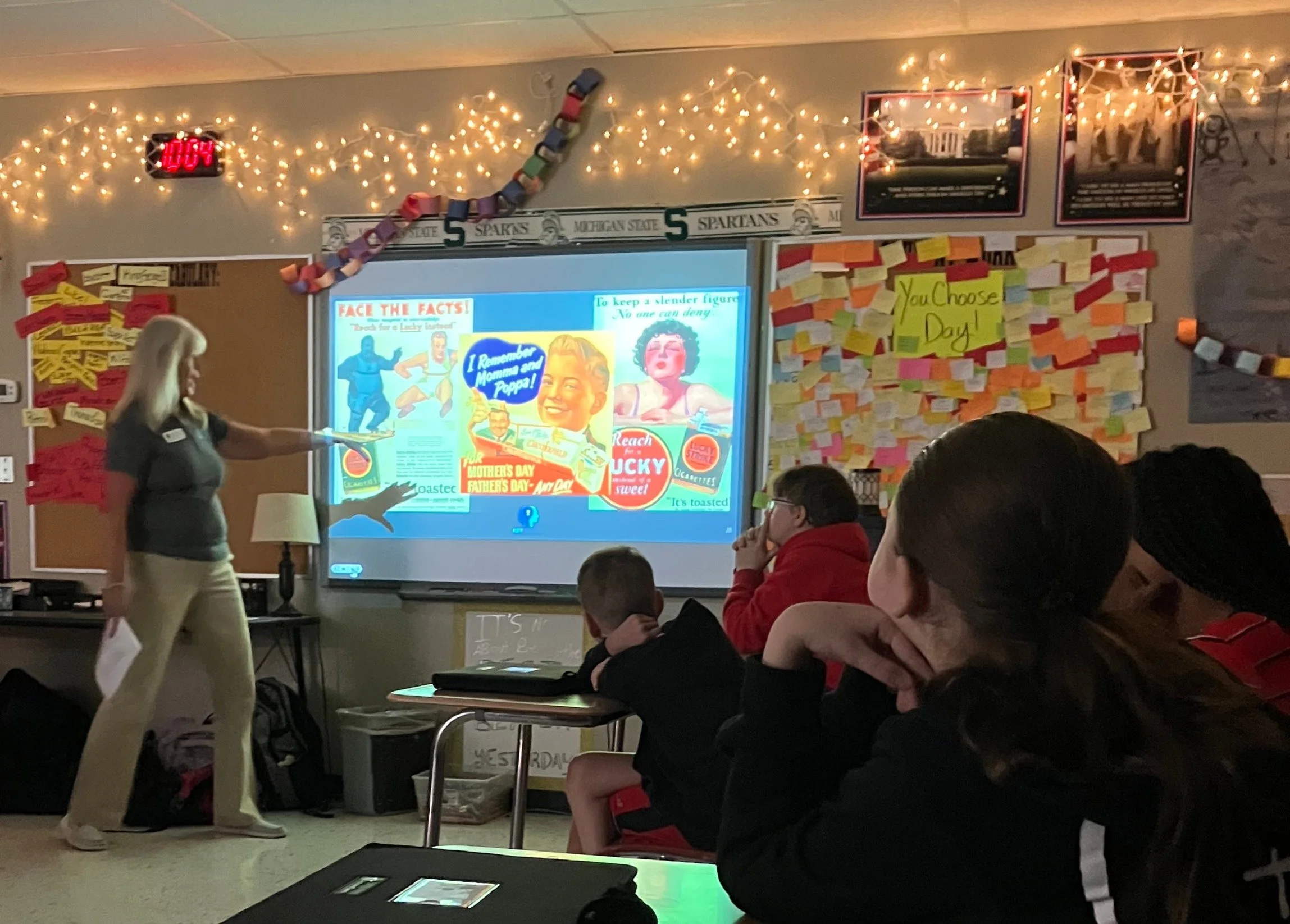
Describe how the tobacco industry's history connects to how vapes are marketed today.
Compare the opioid and tobacco industries’ patterns of misleading the public.
Day 4 — Alcohol and the Adolescent Brain
Define alcohol and identify common products that contain it.
Explain how starting to drink at a young age carries a much higher risk of long-term alcohol dependence.
Give statistics on alcohol use at various ages and the rate of alcohol dependence at each age.
Teach what alcohol misuse is: binge drinking, heavy drinking, self-medication, etc.
Describe how alcohol affects memory, learning, and decision-making in a developing brain, and how this is carried into sports, driving, school and work performance, and relationships.
List short-term and long-term health risks of alcohol misuse.
Explain what alcoholism is
Teach about Alcohol Withdrawal Syndrome
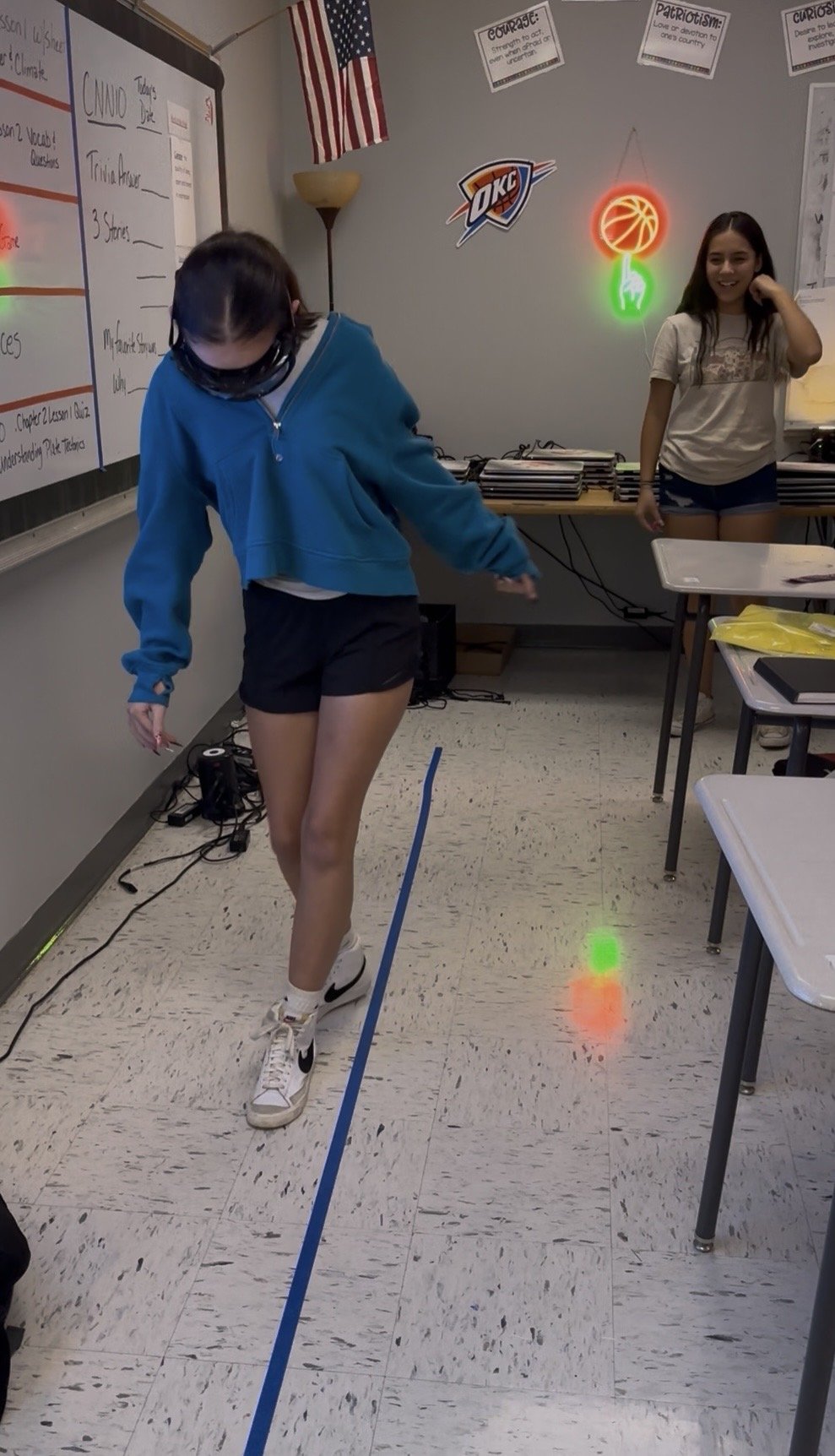
Day 5 — Natural Highs and Making a Plan
Identify healthy, natural ways the brain releases ‘feel-good’ chemicals.
Reflect on personal strengths, interests, and goals (‘spark’).
Practice giving and receiving a genuine peer affirmation.
Create a personal plan for handling stress or peer pressure without turning to substances.
We are ready to schedule your school!
Contact Cathy at (918) 605-1290 or ccrawford@keychoices.org.